

About Us: Our Story
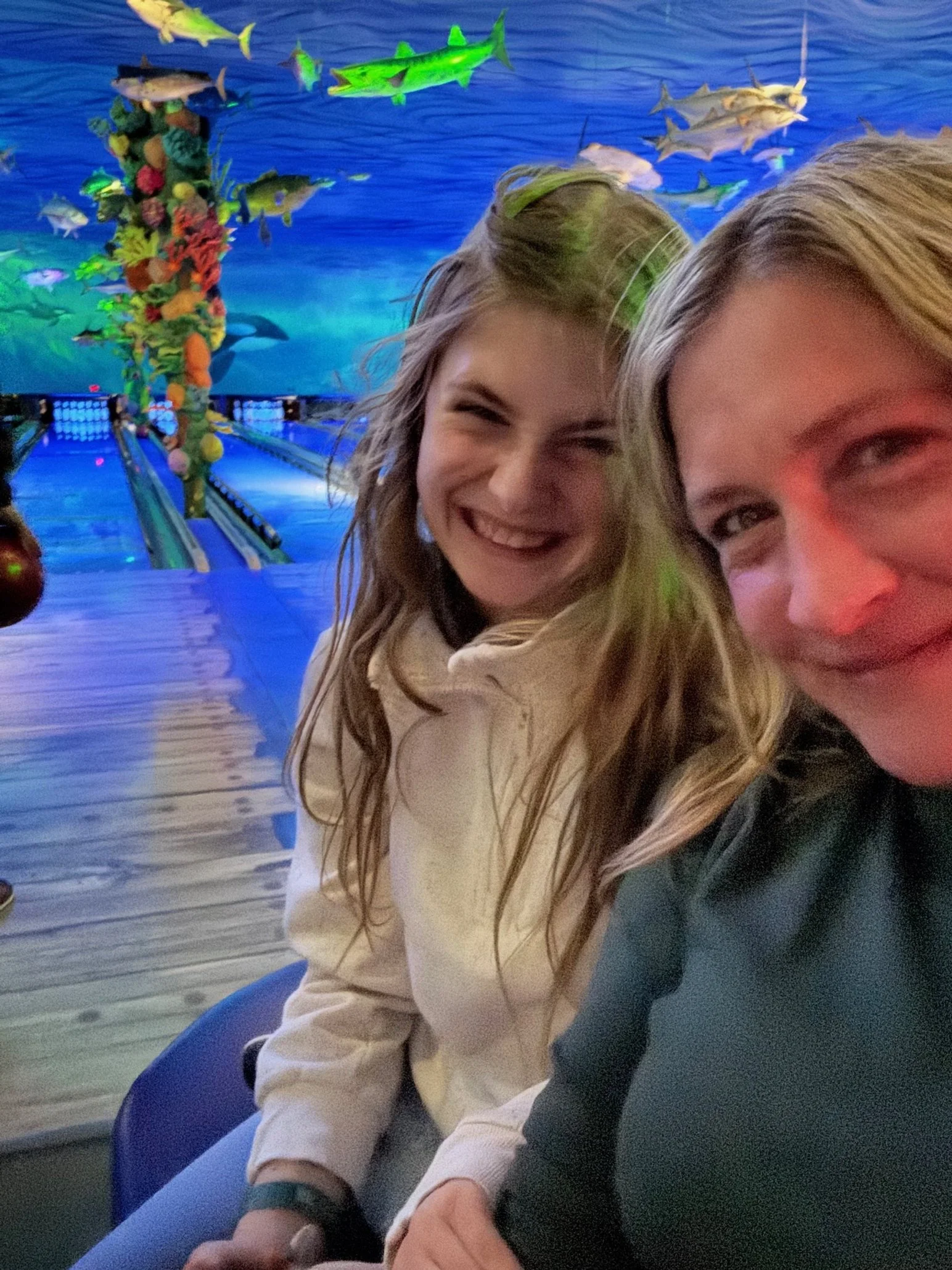
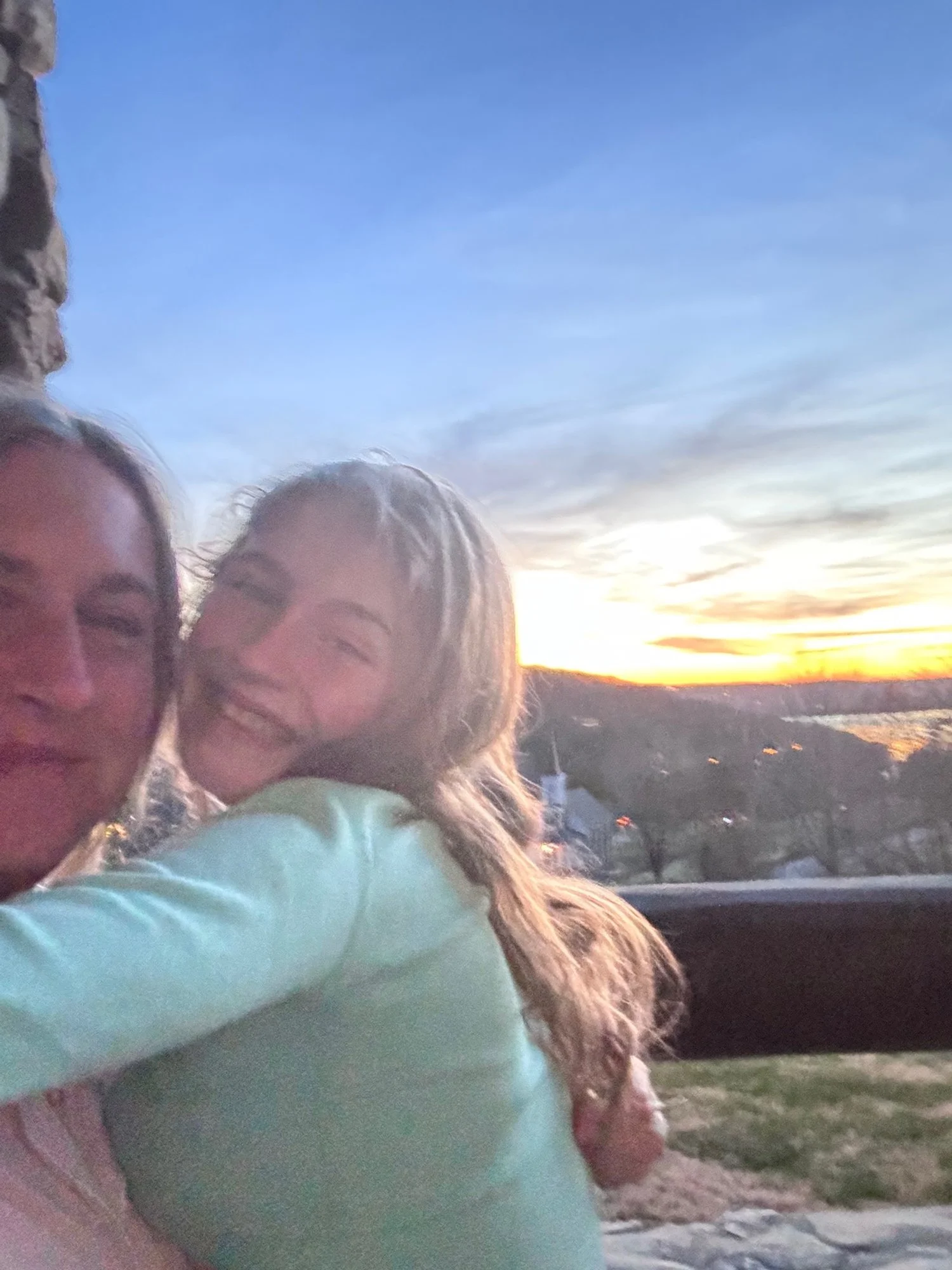
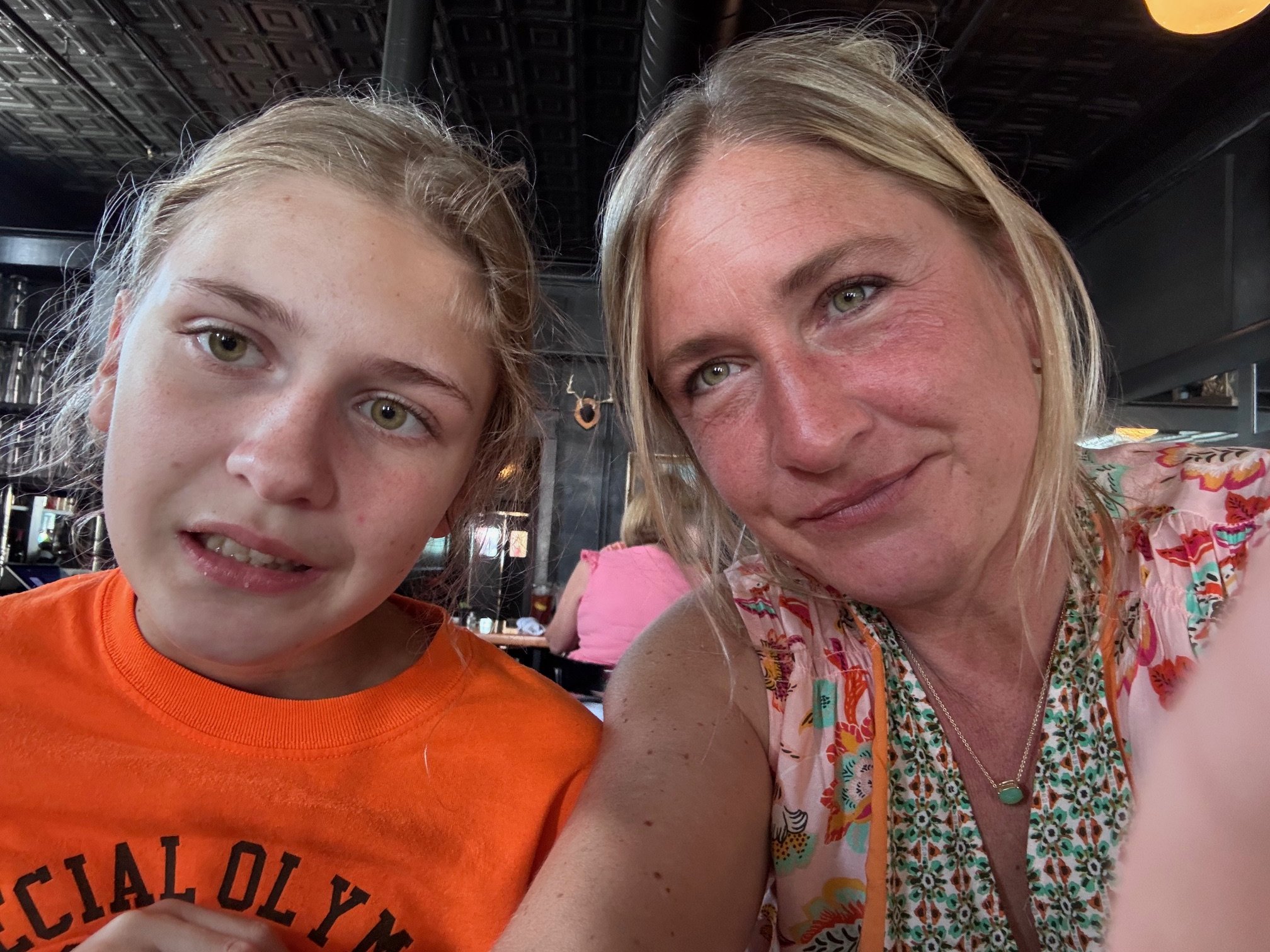
My name is Rebecca, and my oldest child, Selah, entered high school this year. She is full of potential. But like so many young people with IDD, her future is dark and hard to face.
Over 90% of adults with IDD are unemployed or underemployed. August 2025 Department of Labor’s Labor Force Participation Rate statistics shows only 25.1% of people with disabilities employed at all. Over 95% experience sexual abuse. Most live in poverty—not because they can’t work, but because earning too much disqualifies them from essential services, or there is simply no opportunity.
But the most heartbreaking reality isn’t unemployment—it’s isolation. When school ends, how will Selah find friendship? How will she stay connected, be known, feel valued? Too many adults with IDD rely solely on aging parents or paid staff for social interaction. That’s not a life—it’s survival.
Last summer, Selah was desperate for connection. We would walk to our local coffee shop, La Finca—not for the drinks, but for the company. When a barista recognized her, it would make her day. Sitting in that busy café where she was known filled a deep emotional need.
On our walk home, coffees in hand, we’d pass a “For Lease” building near the ballfields—and a vision formed: a walk-up concession window where Selah and her peers could have jobs, roles tailored to their abilities, in an environment designed to allow them to move independently. She could build on the Snack Cart skills she uses at school. It could be a place where a local might wave and say, “Hi Selah!” I’ve come to understand just how vital those simple connections are.
I refuse to accept hopelessness. I reject a future of isolation for my daughter, and the awful lack of options for families like ours. The workshops are not for her. Last summer, I made a decision: we will not go down in despair. If nothing exists for her, I will build it myself—and I’ll make room on that lifeboat for as many families as I can. I hope you’ll support us.
Selah’s Snack Cart
What is this concept?
Food, Drink, and Fun. We’re searching for a homebase for Selah’s Snack Cart- an accessible kitchen to use our customized equipment and training supplies, where students and employees will prepare a customized ‘no bake, no fry, no grill’ snack and drink menu, greet & serve guests, label & package items, and contribute in ways aligned with their unique strengths. Importantly, we want to CREATE the social community that our kids are losing access to as they age. We hope to secure a property with event space. We want to serve FUN. We plan to celebrate life, community and holidays with fanfare. We will create purposeful work and access to natural community for our loved ones.
What will we actually do?
Our goal is to offer vocational training, educational programs, and varying types of employment. Children like my daughter Selah often spend the majority of their days- starting in kindergarten- in separate rooms with disabled friends only. They lose the natural opportunity to gain the social skills that they will desperately need for future employment. We hope to provide front-facing, social skill building opportunities to as young of students as we can get- so they have a better chance of employment in future.
Where will this be located?
We’ve been exploring property close to our home in Eureka, Missouri, and Wildwood. According to local professionals who work with individuals with disabilities, the Eureka area extending into Jefferson County & beyond faces significant needs due to limited transportation options and and opportunity in general.
What Is “Snack Cart”?
“Snack Cart” is a well-known national model in special education—including right here in the Rockwood School District & most other St. Louis County Public Schools. Developed to help students with IDD in separate, self-contained classrooms build communication, social, and vocational skills, the cart brings snacks and small items to classrooms or offices—providing a beloved opportunity for connection to the general school population.
Selah participated weekly in Snack Cart at LaSalle Springs Middle School. The inspiration for our Snack Cart came from this model. What if students like Selah could take the skills they’ve practiced in school and apply them in a real-world setting—interacting with the public, earning money, and being known?
That seed became the heart of our business.
